
Our Methodology
At JUICE, trust starts with transparency.
JUICE assesses brands based on actions, not just claims. Every JUICE Badge is backed by our own methodology, informed by * and reviewed through supporting evidence submitted by brands — turning complex sustainability actions into clear, consumer-friendly indicators.
These references help us identify relevant themes when developing badge criteria and assessment questions. They do not determine the assessment outcome.
*Selected standard references reexamination during our development include the GRI Standards, the United Nations Sustainable Development Goals, the Ten Principles of the UN Global Compact, and selected sustainability topics addressed in the European Sustainability Reporting Standards. References are used for research and methodology guidance only and do not imply certification, endorsement, partnership, membership, or official affiliation unless explicitly stated.
What JUICE Looks At
Every badge maps to one of three areas of real-world impact.
JUICE assesses sustainability actions across three impact pillars:
Climate: environmental actions related to energy, carbon, waste, materials, packaging, sourcing, circular design, and lower-impact operations.
People: responsible practices for workers, suppliers, communities, customers, and underrepresented groups, including fair treatment, inclusion, safety, and community support.
Nature & Animal: actions that support animal welfare, cruelty-free practices, biodiversity, ecosystems, and the responsible use of natural resources.
How Badges Are Awarded
No brand earns a badge without submitting proof that JUICE reviews.
To be considered for a JUICE badge, brands must:
Answer relevant assessment questions
A JUICE badge does not mean a brand is fully sustainable, or free from impact. It means the brand has submitted supporting evidence for a specific sustainability action, and JUICE has reviewed that evidence against the relevant badge scope.
Submit supporting evidence
Supporting evidence may include public statements, internal documents, product specifications, ingredient lists, supplier documents, policy documents, third-party certifications, operational records, photos, reports, or other relevant proof.
Evidence Review & Badge Scope Confirmation
JUICE reviews whether the submitted evidence is relevant, current, specific, and aligned with the badge criteria before it is granted.
Selected brands will receive a summary report outlining the reviewed actions, supporting evidence, and badge scope. This helps brands understand what each badge represents and supports clearer, more transparent communication with consumers.
Organization Badges vs. Product Badges
A badge always tells you exactly what it covers.
JUICE badges may apply at different levels to keep claims clear and specific.
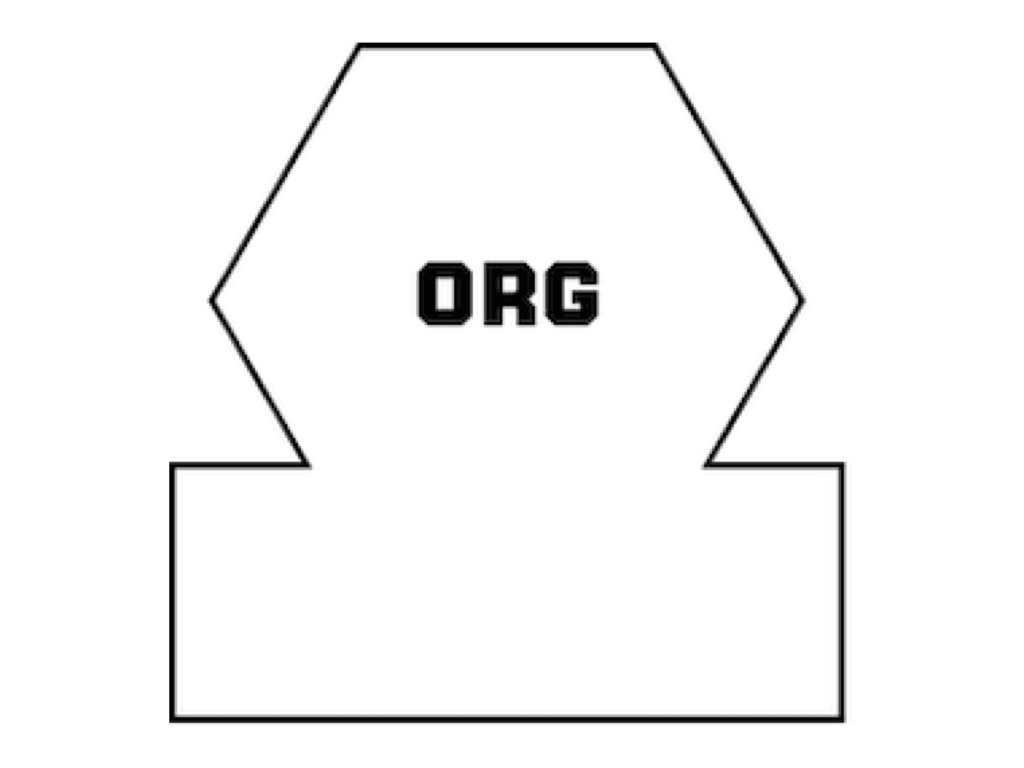
Organization Badges
Reflect brand-wide actions, such as company policies, operations, sourcing practices, workplace practices, carbon measurement, waste management, or community commitments.
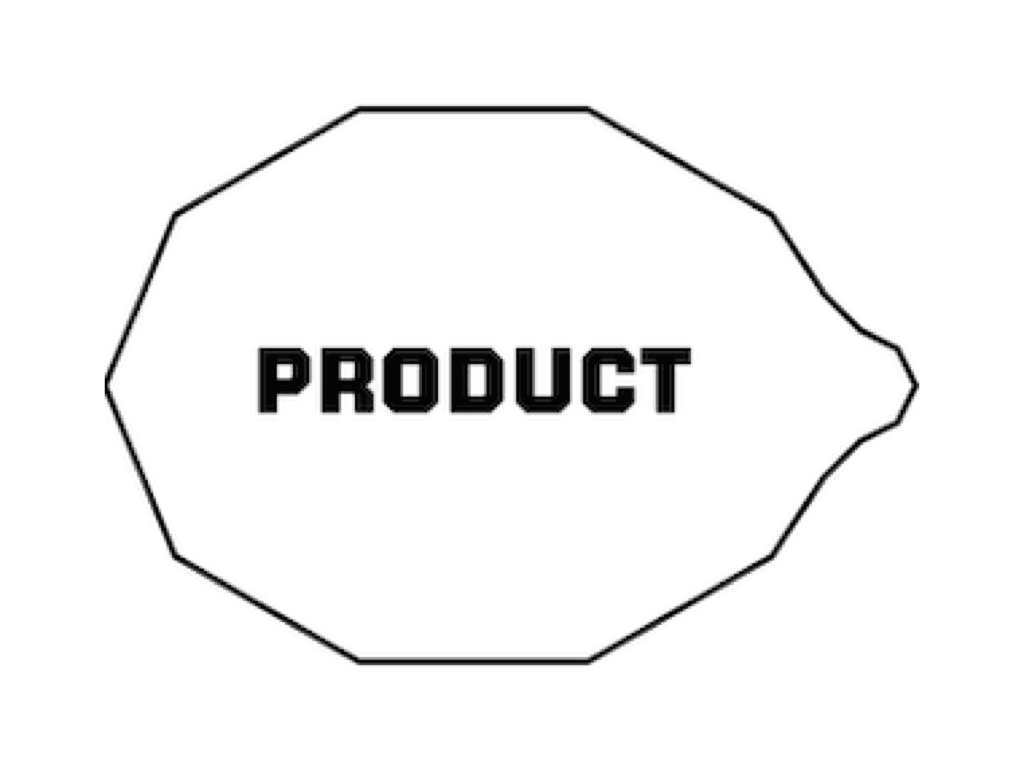
Product / Menu Badges
Reflect actions linked to a specific product, SKU, dish, menu item, packaging choice, service, or selected collection.
This distinction helps consumers understand whether a badge applies to the whole brand or only to a specific product or action.
See JUICE BadgesHow We Tailor Our Assessment
Assessments reflect each brand's industry, impact, and resources.
Sustainability looks different across industries, products, and business sizes. At JUICE, we do not use a one-size-fits-all approach. Each assessment is tailored based on brand type and brand size.
Brand Type
Different industries create different types of impact, so brands are assessed through relevant questions based on their business model.
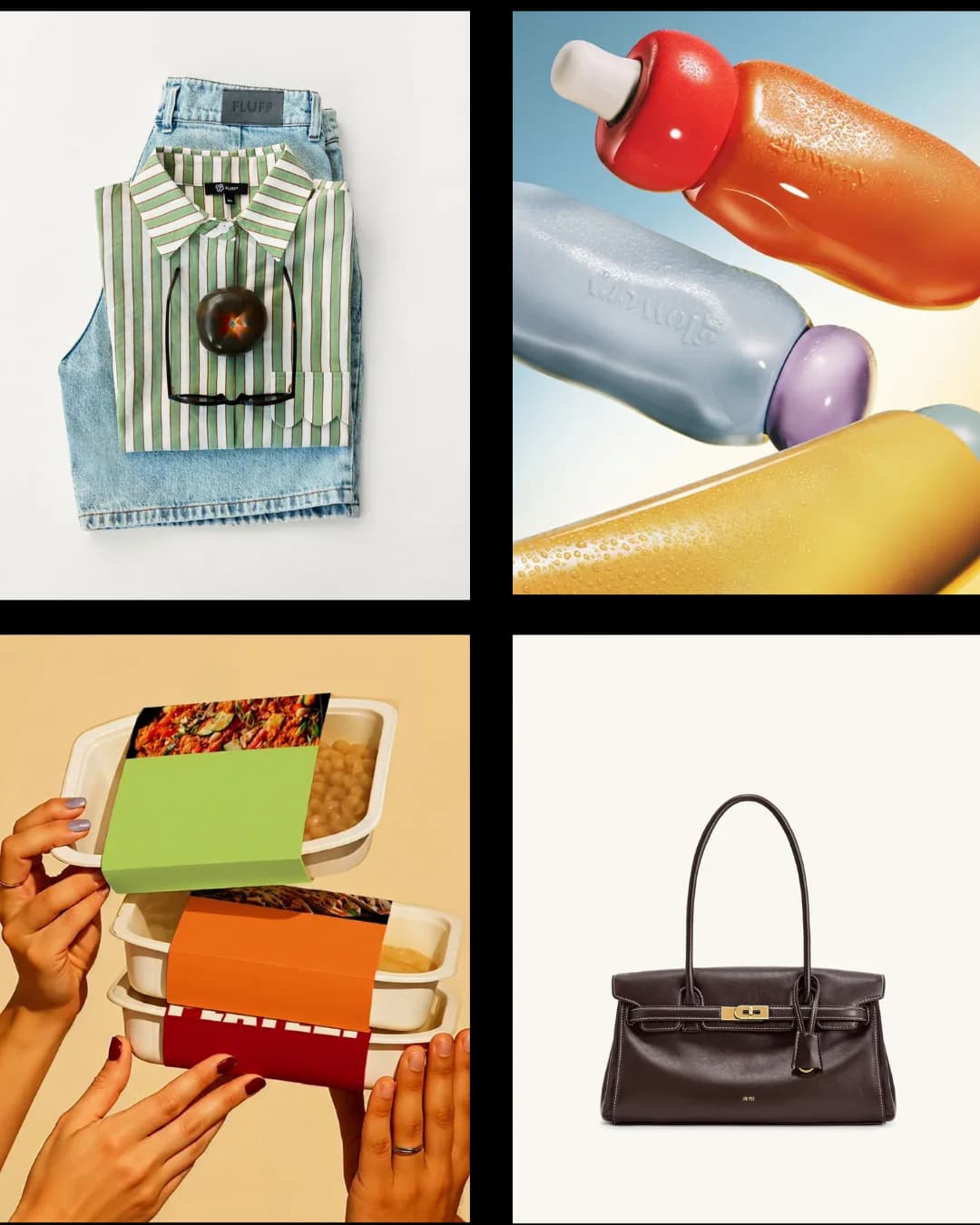
Consumer Goods Brands
For brands creating physical products, assessments may consider areas such as materials, sourcing, production, packaging, product lifecycle, and responsible design.
Examples: Fashion & Textile, Active Wear, Footwear, Jewellery & Accessories, Leather Products, Beauty & Personal Care, Household Cleaning, Home Textile & Decoration, Pet Grooming, Packaged Food

Service Brands
For experience-based businesses, assessments focus on operational impacts, customer experience, resource use, and service-specific practices.
Examples: Restaurants, Cafés, Bars, Hotels, Spas, Hair Salons, Nail Salons
Brand Size
We consider brand size to ensure assessments are fair and relevant. Assessment expectations may differ depending on factors such as employee numbers and annual revenue. Larger organisations may be expected to demonstrate stronger public disclosure, policies, and organisation-wide practices.
| Company Size | Number of Employees | Revenue (THB) |
|---|---|---|
| Sole proprietor | 0 | N/A |
| Micro | 1–9 | ≤ 1.8 M |
| Small | 10–49 | > 1.8 – 30 M |
| Medium | 50–249 | > 30 – 500 M |
| Large | 250–999 | > 500 – 2000 M |
| X Large | 1000+ | > 2000 M |
This helps JUICE evaluate brands based on their stage of development and available resources, while maintaining meaningful sustainability expectations.
How Do We Categorize Evidence Validation?
The more independent the proof, the stronger the badge.
JUICE reviews supporting evidence based on the type and strength of information provided. Evidence may fall into three levels:

Brand-declared
The brand's own word
The brand publicly declares its sustainability actions through accessible public materials, such as website statements, pinned social media posts, published articles, interviews, or campaign pages.
Remark: Public evidence should include a clear creation or publication date to ensure the information is current and accurate. In general, evidence should be updated within the past 12 months.
Evidence & Declaration Review
Reviewed by JUICE
The brand submits supporting documents to JUICE for review, such as policies, contracts, reports, quotations, invoices, procurement records, product specifications, or operational documents.
A signed declaration or acknowledgement from relevant parties (e.g. internal staff, suppliers, or consumers) may also be required to confirm the accuracy and transparency of the submitted information.
Third-party Verified
Independently certified
The brand provides third-party certifications, official certificates, or externally issued documents from recognised organisations or standards, such as certified organic ingredients, ISO standards, or other relevant certifications.
Scope of Use
- Badges must be shown with clear scope. Brands can’t use them to imply broad claims like "100% sustainable," "fully eco-friendly," or "greenest choice" unless that specific claim is strongly supported.
- Badges are reviewed annually, and immediately whenever a brand notifies us of a significant change to products, operations, materials, suppliers or sustainability practices.
- See something that looks inaccurate or misleading? Tell us at [email protected] and we'll review it and take action to keep the badge system trustworthy.
Disclaimer
JUICE is a sustainable lifestyle label and information platform, not a certification body. A badge reflects what a brand showed us at a point in time, within a defined scope.